
How to Start a Candle Business: A Practical Guide for Beginners
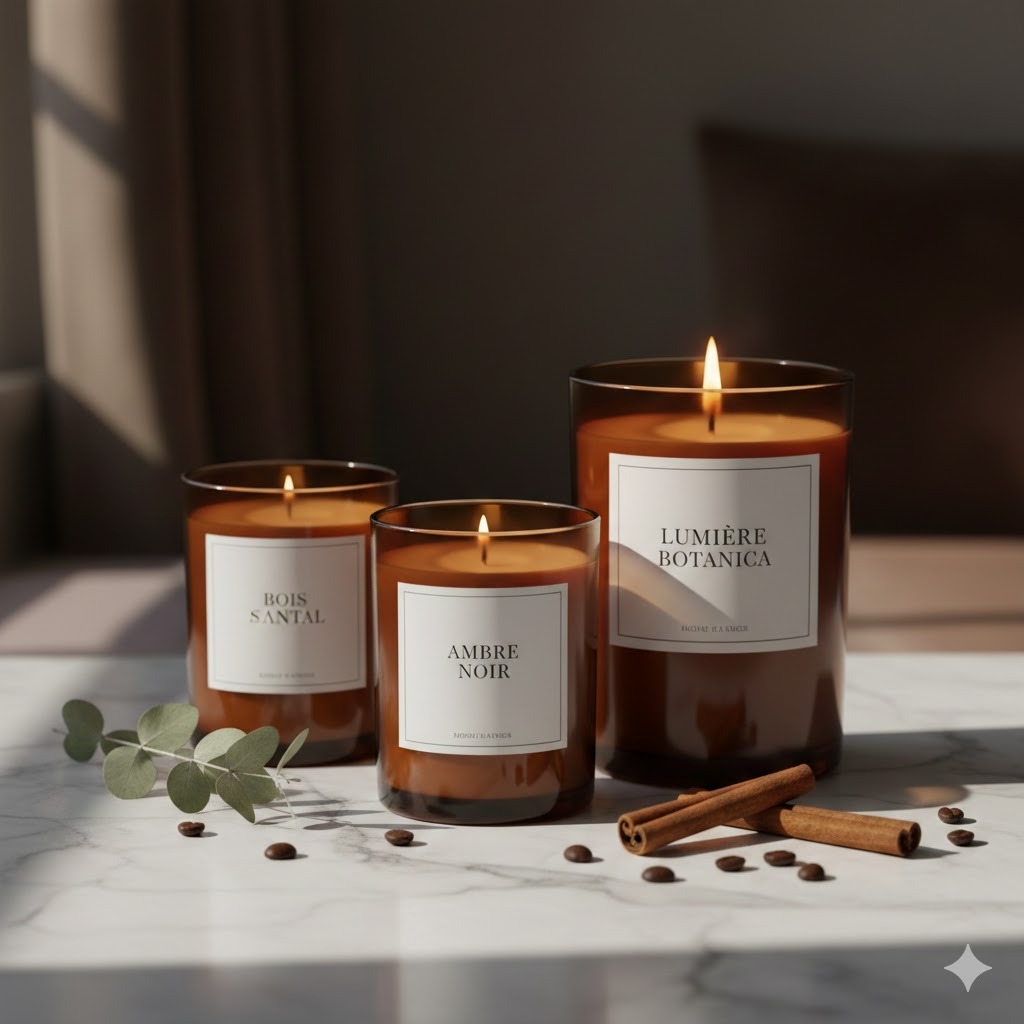
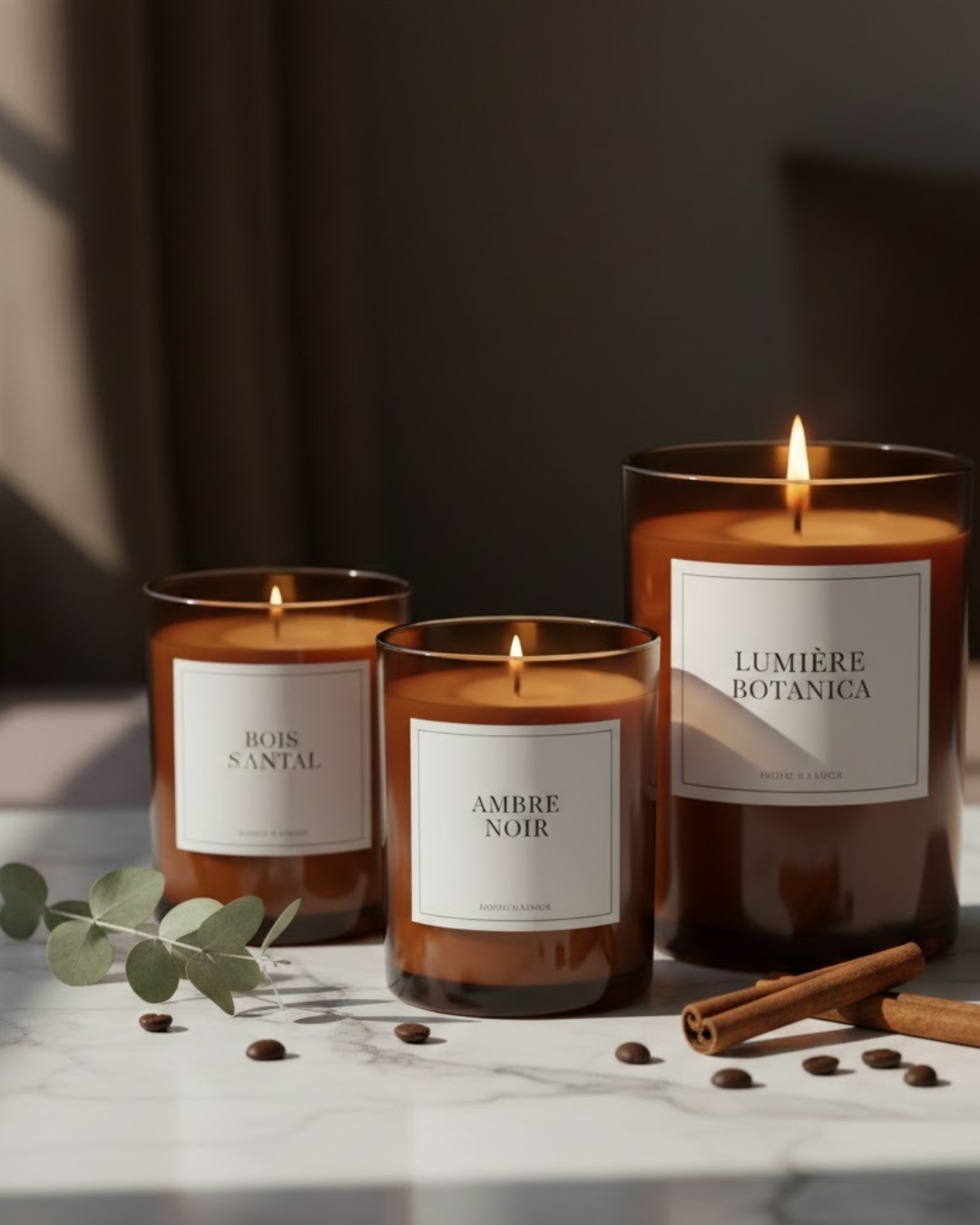
Starting a candle business often begins quietly. Someone makes a candle for their home, experiments with fragrance, gifts a few pieces to friends, and suddenly people start asking, “Can you make one for me too?” That small request is usually where the business idea is born.
Many people search online to understand how to start a candle business, expecting complicated steps or large investments. The reality is simpler. The candle industry rewards patience more than speed. Those who take time to understand the craft usually build stronger brands.
Let’s walk through this in a practical way.
Understanding the Market Before Buying Anything
The first instinct of beginners is to purchase wax, molds, and colors immediately. I always suggest slowing down for a moment.
Who are you making candles for?
A candle bought as a wedding return gift is very different from one placed in a meditation room. Customers are not only buying wax. They are buying mood, emotion, and experience.
Spend a few days observing online stores or local markets. Notice pricing, packaging styles, and fragrance themes. This small exercise gives clarity that saves money later.
Choosing One Direction First
Trying every candle style at once creates confusion. Start with one focus area:
- Container candles for home décor
- Gifting candles with elegant packaging
- Festive or seasonal candles
- Spiritual or intention-based candles
A clear starting point makes branding easier and helps customers remember you.
Learning Candle Making Beyond the Basics
Melting wax is easy. Understanding wax behavior takes practice.
During workshops, beginners often feel confident after their first successful pour. Then comes the surprise. The candle tunnels. The fragrance feels weak. Or the surface develops marks after cooling.
These are normal learning moments.
Small Details That Change Results
Pouring temperature, wick size, and curing time influence performance more than design. A difference of even five degrees in pouring temperature can change how the candle sets.
Keep a notebook while practicing. Write down temperatures, fragrance percentages, and results. Over time, this becomes your personal formula book.
Setting Up Without Overspending
You do not need a large studio to begin. Many successful candle businesses start on a kitchen counter or in a small workspace.
Begin with essential tools:
- Reliable wax suitable for your candle type
- Correct wick options for testing
- Quality fragrance oils
- Basic pouring equipment and thermometer
Avoid buying excessive supplies in the beginning. Understanding materials slowly prevents unnecessary expenses.
Thinking Like a Brand from Day One
Here is something many beginners overlook. Customers remember feelings more than products.
Ask yourself what emotion your candles should represent. Calmness? Luxury? Celebration? Spiritual comfort?
Your packaging, colors, and fragrance choices should tell one consistent story. Even simple packaging looks premium when it matches a clear identity.
Pricing Without Guesswork
Pricing becomes stressful when costing is incomplete. Many new makers calculate only wax and fragrance costs.
Real costing includes:
- Raw materials
- Containers and packaging
- Labels
- Testing batches
- Electricity and time spent
- Delivery expenses
When pricing reflects real effort, business growth becomes sustainable instead of exhausting.
Testing Before Selling
One habit separates serious candle makers from casual sellers: burn testing.
Light your candles yourself. Observe how the flame behaves. Notice how long the fragrance lasts. Watch how the wax melts across the surface.
Sometimes a candle looks perfect but reveals issues after two hours of burning. Testing protects your reputation before customers ever experience the product.
Marketing by Sharing the Journey
Many people worry about marketing because they feel uncomfortable selling. The truth is, people enjoy watching creation more than advertisements.
Share small behind-the-scenes moments:
- Pouring candles
- Choosing fragrances
- Packing orders
- Testing new designs
When customers see effort and authenticity, trust grows naturally.
Where to Sell First
You do not need a complex website immediately.
Start simple:
- Instagram or Facebook pages
- WhatsApp customer groups
- Local exhibitions or flea markets
- Small corporate gifting opportunities
Offline selling especially teaches valuable lessons quickly. Customer reactions help refine products faster than online assumptions.
Growing Slowly but Steadily
Most successful candle brands did not start with large collections. They expanded after noticing customer preferences.
One maker began with basic scented jars and later realized personalized gifting was in higher demand. That single observation reshaped her entire business direction.
Growth often comes from listening carefully rather than planning aggressively.
Final Thought
Learning how to start a candle business is less about equipment and more about understanding people. Candles become part of celebrations, quiet evenings, and meaningful moments inside homes.
Start small. Improve with every batch. Stay patient with the learning process.
A candle business rarely grows overnight, but with consistency and genuine care, it builds something far more valuable than sales. It builds trust.
